
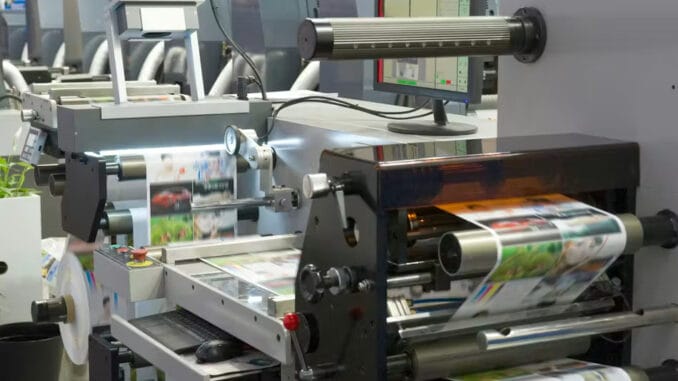
Scandinavian manufacturing has long been recognized for its high level of automation, commitment to environmental sustainability, and strict adherence to regulatory standards. Across Denmark, Sweden, and the broader Nordic region, industrial operations face a unique combination of structural factors: high labor costs, demanding environmental directives, and sophisticated consumer expectations regarding product transparency, safety, and ethical sourcing. To maintain a competitive edge in global markets, Nordic manufacturers continuously invest in advanced production technologies, particularly within food processing, pharmaceuticals, green technology, and specialized engineering.
A critical component of modern industrial packaging lines is the capability to mark products, components, and primary packaging with accurate, highly legible, and durable information. From simple batch numbers and expiration dates to complex 2D DataMatrix codes and dynamic barcode serialization, industrial coding forms the structural backbone of supply chain traceability. In food and beverage production—a major pillar of the Danish economy—effective product marking ensures full compliance with European food safety standards, enabling rapid product recalls when necessary and protecting public health while preserving brand integrity.
Among the various printing methodologies available on the market, continuous and thermal inkjet technologies remain among the most versatile and efficient solutions for high-speed industrial environments.
Key operational advantages of modern industrial inkjet systems
- Non-Contact Coding: Prints reliably on curved, flexible, textured, or fragile surfaces without physical impact or risk of damaging the product.
- High-Speed Execution: Applies dynamic batch numbers, real-time timestamps, and complex QR codes seamlessly at full production line speeds.
- Eco-Friendly Formulations: Utilizes low-emission, fast-drying, and food-grade inks specifically formulated to align with strict Nordic environmental standards.
- Substrate Versatility: Adheres effectively to porous and non-porous materials alike, including PET, glass, aluminum, corrugated cardboard, and smooth plastics.
Modern industrial inkjet printers, such as those integrated into automated production lines by technology specialists like Nimax Danmark, deliver these precise operational capabilities across various packaging environments, ensuring consistent legibility even under challenging factory conditions such as high humidity or low refrigeration temperatures.
The ongoing digital transformation within Scandinavian factories—often referred to as Industry 4.0—has further elevated the role of industrial coding hardware. Today’s printing devices are no longer standalone mechanical units operating in isolation; they function as intelligent, interconnected nodes linked directly to Enterprise Resource Planning (ERP) and Manufacturing Execution Systems (MES). This integration enables automated message selection based on live production schedules, eliminates manual operator entry errors, and provides real-time verification of printed information through integrated vision inspection sensors.
Furthermore, environmental considerations play a decisive role in Nordic industrial procurement strategies. Advanced printing systems now focus heavily on minimizing solvent consumption, reducing volatile organic compound (VOC) emissions, and lowering overall energy consumption during operational and standby modes. Innovations in ink chemistry have enabled rapid-curing, solvent-reduced formulations that maintain exceptional contrast and scratch resistance without compromising sustainability targets.
As global supply chains demand increasingly granular tracking and digital product passports, the ability to apply clear, permanent and dynamic codes efficiently will remain a cornerstone of industrial competitiveness in Denmark and across the entire Nordic region.
Be the first to comment